Friday, October 24, 2025

BREAKING: Trump Solves Drug War By Discovering the "Kill" Button No President Ever Noticed


BREAKING: Trump Solves Drug War By Discovering the "Kill" Button No President Ever Noticed


**WASHINGTON D.C. – In a revelation set to rewrite every political science textbook, former President Donald Trump has announced he has located the long-rumored "Kill Them All" button in the Oval Office, a feature apparently overlooked by his 44 predecessors.**


The breakthrough occurred at a rally when Trump, frustrated by what he called "big, complicated words with too many syllables," decided to cut through the red tape.


"The deep state, they hide the simple solutions from you," Trump revealed to a captivated audience. "They have all these maps, these 'extradition treaties,' these 'sovereign nations.' It's a smokescreen. The answer is so beautiful and so simple: We're going to kill them. Why has nobody thought of this before?"


#### **The "Call of Duty" Doctrine**


The new foreign policy, officially dubbed the **"Grand Theft Auto Doctrine,"** is praised for its elegant simplicity. Instead of relying on outdated concepts like "international law," "diplomacy," or "not starting a war with our neighbors," the doctrine operates on a single, repeatable loop:


1.  **Identify "Them."**

2.  **Press the "Kill" button.**


"We've been overthinking this for 50 years," explained a senior advisor, who asked to remain anonymous because he was currently hiding under his desk. "All that time wasted on 'eradicating poverty' and 'strengthening border security.' It turns out the real solution was just more bullets. Who knew?"


The policy has received glowing endorsements. A focus group of action movie heroes gave it a 10/10, with John Rambo stating, "Finally, a candidate who gets it."


#### **Global Confusion Reaches Comic Proportions**


The international community is in chaos, primarily from laughter and sheer disbelief.


A statement from the Mexican Foreign Ministry was just a link to the Wikipedia page for the "Montezuma's Revenge" speech from the movie *Blazing Saddles*.


At the United Nations, emergency sessions devolved into delegates arguing over whether the new global framework meant they could also use the "kill them" policy on their own problems. The French delegate was overheard asking, "Can we 'kill them' the people who talk in the cinema? *Non?* What about the British and their warm beer?"


Back at the Pentagon, a four-star general was seen frantically scrolling through the app store. "He says there's a button! I'm looking for the 'Kill Them' app. Is it a subscription service? Do we get a free trial?"


When asked for a final comment, Trump simply added, "It's going to be the most beautiful killing anyone has ever seen. Believe me."


***


**// URGENT SATIRE ALERT //**

*This article is 100% fictional and intended for comedic purposes only. It is about as real as a functioning government. Please do not attempt to use the "Kill" button on your own keyboard; it just makes the 'K' key stick.*

Grab Your Pip-Boy: Fallout 4’s Huge 10th Anniversary Edition is Here!


Grab Your Pip-Boy: Fallout 4’s Huge 10th Anniversary Edition is Here!


Hey, wasteland wanderers! Clear your schedules because Fallout 4 is about to take over your life all over again. Bethesda just dropped the news we’ve all been waiting for: a massive **Fallout 4 Anniversary Edition** is launching on November 10th – the game’s actual 10th birthday!


This isn’t just a simple re-release. Think of it as the ultimate, no-stones-left-unturned version of the game we fell in love with a decade ago. So, what’s inside this legendary package?


- **The complete base game** – because you can’t revisit the Commonwealth without it.

- **All six official story expansions** – from Far Harbor to Nuka-World.

- **Over 150 Creation Club goodies** – including the fan-favorite option to finally customize Dogmeat’s breed. (Good boy, indeed!)

- **A new Creations hub** – making it easier than ever to browse and install mods.


And can we talk about the timing? This drops just weeks before the **second season of the Fallout TV show** hits Prime Video on December 17th. Bethesda clearly knows we’ll all be in a post-apocalyptic mood – and I’m already planning my return to the Commonwealth before binging the new episodes.


> "See everything rolling into the Commonwealth on Nov 10 with the Fallout 4 Anniversary Edition!" – @Fallout


**Nintendo fans, you haven’t been forgotten!** Bethesda also confirmed that the Anniversary Edition will be making its way to the **Nintendo Switch 2 next year**. It’s shaping up to be a great year for Fallout fans across all platforms.


The announcement came during Bethesda’s Fallout Day stream, which also brought news for Fallout Shelter and Fallout 76. Oh, and Todd Howard being… well, Todd Howard. He closed the show with a tantalizingly vague tease that the team is “working on even more” for the Fallout universe.


Color me excited. Now, who else is already counting down the days until November 10th?


Microsoft Mico AI: Clippy's Smarter Reboot in Copilot Voice Mode


Microsoft Mico AI: Clippy's Smarter Reboot in Copilot Voice Mode

Remember Clippy? That cheeky animated paperclip from the '90s that popped up uninvited in Microsoft Office, offering "helpful" tips with its Groucho Marx eyebrows? It's been nearly 30 years since Clippy first annoyed (and occasionally amused) us, and its reign of interruptions ended in 2001 with Office XP. Microsoft tried a comeback with Cortana on Windows Phone back in 2014, but the tech just wasn't there yet. Fast-forward to today: Microsoft is resurrecting the spirit of the office assistant with **Microsoft Mico AI**—a cute, expressive orb that's powering up Copilot's voice mode.

If you're diving into AI assistants, "Microsoft Mico AI" is the keyword buzz right now. This isn't just a nostalgic nod; it's a full evolution, blending real-time reactions, memory smarts, and educational tools to make chatting with your PC feel natural and fun.


From Paperclip to Bouncing Orb: How Mico Works

"Clippy walked so that we could run," quipped Jacob Andreou, Corporate VP of Product and Growth at Microsoft AI, in a recent interview with *The Verge*. After months of testing, Mico (pronounced like "pico") is now live by default in Copilot's voice interactions. Picture this: a lively orb that bounces, emotes, and responds in real-time as you speak. Mention something sad? It'll furrow its "brows" with empathy. Share a joke? Expect a cheeky wink.

The magic happens through advanced animations and Copilot's new memory feature, which remembers details about you—like ongoing projects or preferences—to deliver personalized responses. No more generic chit-chat; Mico builds a genuine connection, fading the tech into the background so you can just *talk*.

Learn Live: Mico as Your Personal Tutor

One of Mico's standout features? "Learn Live" mode. This turns the orb into a Socratic guide, walking you through concepts step-by-step instead of spoon-feeding answers. It pulls in interactive whiteboards, visual cues, and adaptive questions—ideal for students prepping for exams, professionals upskilling, or anyone tackling a new language.

Think flashcards on steroids: Mico might sketch a diagram for grammar rules or quiz you on physics formulas, adjusting difficulty based on your replies. It's like having a patient teacher in your pocket (or on your screen).

 Microsoft's Bigger AI Vision

Mico isn't flying solo—it's part of Microsoft's grand plan to humanize AI. As AI CEO Mustafa Suleyman teased in July, Copilot will evolve with "a permanent identity, a presence... it will even age." This orb is step one toward that: a character with personality, living in its own "room" within your apps.

The push aligns with Microsoft's marketing blitz for Windows 11 PCs, dubbed "the computer you can talk to." TV ads are everywhere, urging us to ditch typing for voice commands. (Flashback to Cortana's Windows 10 flop—Microsoft shut it down on Windows 11 in 2023 after failing to win hearts.)

But Mico? It's leagues ahead, packed with Easter eggs to ease the awkwardness. Poke it rapidly, and you might trigger a Clippy surprise. "We all live in Clippy's shadow," Andreou laughed.

Launch Details and Limitations

- **Availability**: US-only at launch (a correction from an earlier draft promising UK/Canada too).

- **How to Try It**: Fire up Copilot on a Windows 11 PC or Edge browser—toggle voice mode, and Mico appears. Opt out anytime if orbs aren't your vibe.

- **Privacy Note**: Memory features store personal data, so review Copilot's settings for controls.

Microsoft Mico AI proves AI assistants can be endearing, not intrusive. Whether you're geeking out over voice tech or just need a smarter sidekick, Mico's here to stay. Have you chatted with it yet? Drop your thoughts in the comments—did it Clippy-fy your workflow, or is it a total win?


Big Tech & Crypto Giants Fund Trump’s White House Ballroom Project


Big Tech & Crypto Giants Fund Trump’s White House Ballroom Project


In a move drawing widespread attention, former President Donald Trump’s latest project — a lavish new ballroom at the White House — is being bankrolled by some of America’s biggest technology and cryptocurrency firms. According to the list of donors released by the White House, companies such as Amazon, Apple, Google (and its subsidiary YouTube), Meta, Microsoft — along with major crypto players like Coinbase, Ripple and Tether — are among those listed. The project, estimated at roughly $300 million, is claimed to be entirely privately financed, with zero taxpayer dollars used.


Why This Matters

  • The sheer scale of the project — a grand ballroom in America’s most iconic residence — is rare in modern presidential history.

  • The sourcing of funds raises questions about corporate influence in politics: when tech giants and crypto firms become major donors, how does it affect perception, policy and oversight?

  • For your website (and blog audience), this story touches on intersectional themes: political funding, tech industry lobbying, transparency in donations, and the evolving role of cryptocurrencies in elite giving.


Key Players in the Funding Round

Here are some of the notable contributors and their roles:

  • Big Tech: Amazon, Apple, Google, Meta, Microsoft – all appearing on the donor list.

  • Crypto & blockchain: Coinbase, Ripple, Tether (and individuals like the Winklevoss twins) – signaling the depth of crypto’s push into high-profile political philanthropy.

  • Other sectors: Defence and telecom firms such as Lockheed Martin, Palantir Technologies, and major telecom operators also feature.

  • Cost estimate: About $300 million for the ballroom project, with demolition underway on the East Wing of the White House.


Implications & Questions

  • Transparency: While the donor list is published, many contributions remain unspecified in terms of amount or contract linkages.

  • Corporate influence: When companies with large government contracts become donors to a presidential project, it raises concerns about whether giving is purely philanthropic, or part of access strategy.

  • Crypto legitimization: Crypto firms are increasingly urged to prove legitimacy — here, their participation in major philanthropic or political projects may serve as reputational strategy.

  • Legacy & optics: For Trump, this project cements a legacy-building moment; for the donors, it’s a public relations high-visibility move. But for the public, it begs the question: should national heritage spaces like the White House be privately funded by powerful corporate interests?


What This Means for Your Audience

If you’re writing for a politically aware or business-savvy audience, this story offers rich material. You can link this topic to themes like:

  • “How Big Tech is shaping political philanthropy”

  • “Cryptocurrency’s place in elite political contributions”

  • “Private-funded public buildings: who pays, and at what cost?”

  • “Donor lists & transparency: what to watch for in 2025 fundraising cycles”

👉 Be sure to include a clear internal link from this blog post to your relevant webpage — for example:

For more detailed analysis of corporate-political giving and its impact, visit [Your Site Name] here: [Insert your link]


Suggested SEO Keywords & Meta Data

Primary keywords: Trump White House ballroom, Big Tech donations White House, crypto donors Trump, White House donor list tech crypto
Secondary keywords: White House East Wing demolition, tech philanthropy politics 2025, corporate influence in politics, crowdfunding presidential projects
Meta description (approx. 155 chars):

Big Tech and crypto firms bankroll Donald Trump’s $300 M White House ballroom. How Amazon, Google, Coinbase and others shape politics through donations.
Slug (URL):
big-tech-crypto-fund-trump-white-house-ballroom
Alt text for images:

  • “Trump holds rendering of the new White House ballroom”

  • “Donors dinner at White House East Room tech and crypto executives”

  • “White House East Wing demolition site for ballroom project”


This is not just another high-profile building project — it’s a case study in how money, politics, tech and crypto intersect at the highest levels. If you’d like deeper insight into how tech firms engage politically or how crypto moves into mainstream philanthropy, check out our full article on DigitalCreatorhub.online  — click here: 

Thanks for reading. If you found this useful, feel free to share and leave a comment below: “What do you think — should corporate donors fund national landmarks?”


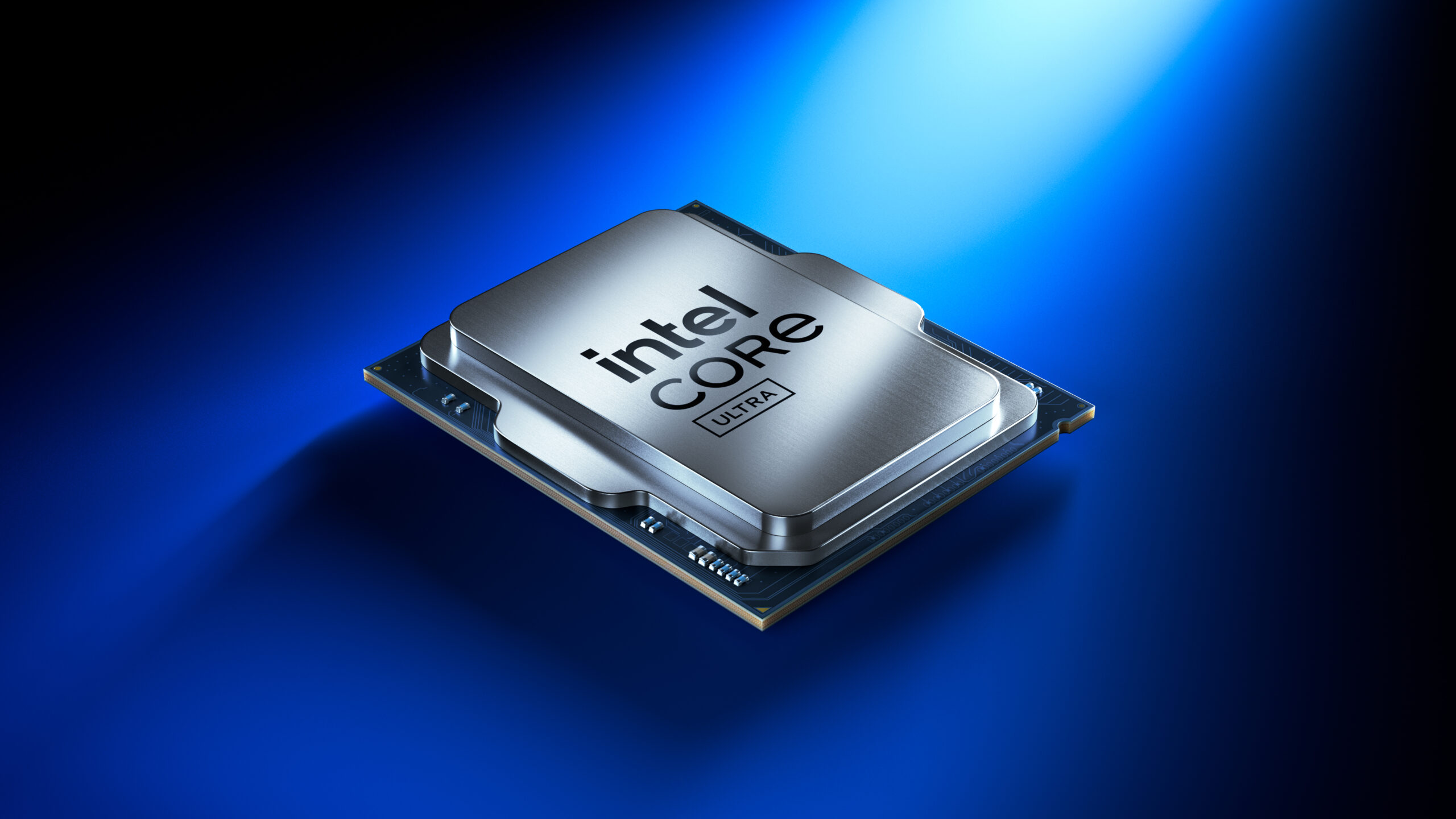
Intel’s Billion-Dollar Gamble: Chasing AI While a PC Boom Knocks


Alright, let's talk about the elephant in the room: Intel is finally making money again.


After nearly two years of red ink, the tech giant just posted a profit for Q3 2025. Cue the confetti, right? Well, not so fast. Dig into the latest Intel earnings report and the subsequent earnings call, and you’ll find a story that’s far more complicated—and frankly, more fascinating—than a simple comeback tale.


We’re standing at the edge of what could be the biggest PC boom since the pandemic. With Windows 10 heading for the grave, millions of users and businesses are about to need new hardware. It’s a golden opportunity. But instead of going all-in on CPUs, Intel is making a huge, strategic pivot. And it’s leaving a lot of us to wonder: is their AI strategy a visionary move, or are they missing the main event?


The Good News: A Lifeline and a Profit

Let’s start with what’s boosting Intel stock right now. That profit didn't come from a sudden, massive surge in chip sales. It was fueled by those multi-billion dollar lifelines from the U.S. government, Softbank, and a recent $5 billion deal with Nvidia.


The market liked what it saw, and the Intel stock price has reacted positively. It’s a welcome breather for a company that’s been through the wringer, including those ongoing Intel layoffs aimed at cutting costs. For the first time in a while, there’s a sense of stability.


The Plot Twist: The PC Boom Is Coming… And Intel Might Not Be Ready

Here’s where it gets tricky. On the call, CEO Lip-Bu Tan and CFO David Zinsner basically admitted they’re facing supply shortages. Let that sink in.


The biggest wave of PC demand in years is about to hit, and the company that dominated the PC era for decades doesn’t have enough chips to supply it all. They’re constrained, particularly on their older manufacturing nodes. So while the PC boom should be a slam dunk for Intel, they might have to leave money on the table for rivals like AMD to scoop up.


The Grand Strategy: AI is the New King

So, if they’re supply-constrained for the PC boom, where are they focusing? The answer is the core of the new Intel AI strategy.


Intel isn't just putting a few AI features in its chips. It's betting the farm. The company is prioritizing the production of its own dedicated AI GPUs and aggressively pushing its Intel Foundry business to manufacture AI processors for other companies. The partnership with Nvidia is a key part of this—it’s a huge validation of their manufacturing tech.


The bottom line: Intel’s leadership believes the long-term payoff of dominating the AI silicon market is worth the short-term pain of potentially missing out on some PC sales.


The Verge: A Calculated Risk or a Fatal Mistake?

This is the billion-dollar question for anyone watching Intel stock and the broader tech landscape.


The Bull Case: Intel is making the tough, correct choice. The PC market is cyclical, but AI is the future. By securing massive funding and pivoting hard to foundry and AI, they’re positioning themselves for the next decade, not just the next quarter.


The Bear Case: This is a huge risk. You don't get many chances at a industry-wide refresh cycle. Ceding ground now could permanently erode their market share in their core business, and there's no guarantee they can out-innovate Nvidia and AMD in the brutal AI chip race.


What do you think? Is Intel’s AI strategy a masterstroke, or are they fumbling a once-in-a-generation opportunity? Let me know your take in the comments.